Why AI Feels Unreliable in Production
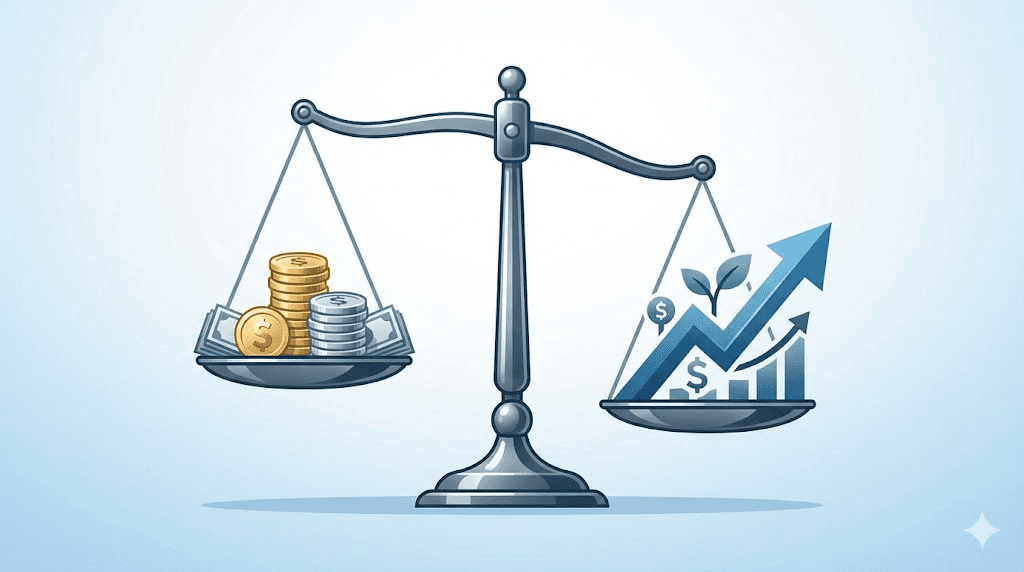
It's not the models. It's the missing system layer that ensures consistency and logic.
The biggest lie in AI today is that the model is the product.
You see a demo of GPT-4 writing perfect code or Claude 3 analyzing a complex document, and you think: "Great, let's ship this to our customers."
Then you ship it.
And suddenly, the AI hallucinates. It gives different answers to the same question. It gets stuck in loops. It misses obvious context. Your users get frustrated, and your engineers spend all their time firefighting.
The "Demo Trap"
Demos are controlled environments. You pick the perfect prompt, the perfect input, and you show the best output.
Production is chaos. Users type messy inputs. Data is incomplete. Edge cases appear that you never tested.
The model isn't the problem. The system is.
The Reliability Gap
When you use ChatGPT directly, you are the reliability layer. If it gives a bad answer, you rephrase and try again. You filter the output.
In an automated system, there is no human in the loop to fix mistakes. The system must be its own critic. It must have guardrails.
Building the Reliability Layer
Reliable AI systems don't just "ask the model." They wrap the model in a system of checks and balances.
"Reliability isn't a feature of the model. It's a feature of the system you build around it."
Stop expecting models to be perfect. Start building systems that are robust.